COST TO IDENTITY AND REMOVE A DEFECT IN THE EARLY STAGES OF SOFTWARE DEVELOPMENT AND DISTRIBUTED HUNDREDS OF CUSTOMERS
“Prevention is better than cure” applies to defects in the software development life cycle as well as illnesses in medical science. Defects, as defined by software developers, are variances from a desired attribute. These attributes include complete and correct requirements and specifications as drawn from the desires of potential customers. Thus, defects cause software to fail to meet requirements and make customers unhappy.And when a defect gets through during the development process, the earlier it is diagnosed, the easier and cheaper is the rectification of the defect. The end result in prevention or early detection is a product with zero or minimal defects.
When a software system is working, as determined and conveyed the dependability trademark characterizes the ability of the framework to keep up its administration arrangement under characterized conditions for characterized time frames. One part of this trademark is adaptation to internal failure that is the capacity of a framework to withstand segment disappointment. For instance on the off chance that the system goes down for 20 seconds, returns the framework ought to have the capacity to recoup and keep working.
“EFFICIENCY”
This characteristic is concerned about the system assets utilized while giving the required functionality. The amount of disk space, memory, network etc. provides a good indication of this characteristic. Similarly as with some of these qualities, there are ovelaps. For instance the ease of use of a framework is impacted by the framework’s Performance, in that if a framework takes 3 hours to react the framework would not be anything but difficult to utilize in spite of the fact that the fundamental issue is an execution or effectiveness trademark.
“MAINTAINABILITY”
Maintainability is also essential for any long termed used systems. It is described as the extent of which a system is analyzed, repaired, and improved. System maintainability is essential because it is approximately 75% of the cost related to a project. Assessing the ways to measure this important criteria eases developer effort, decreases costs, and minimize the resources. It allows organization recognize its system defects and improvement areas as well as development changes.
Evgeniy Mikhailovich Bogachev, or Lucky12345, is currently wanted by the FBI with a bounty of $3 million on his head. He’s a notorious Russian hacker who uses phishing, malware, and viruses to skim bank account information from computers. Due to his exploits, financial losses so far have racked up to $100 million.
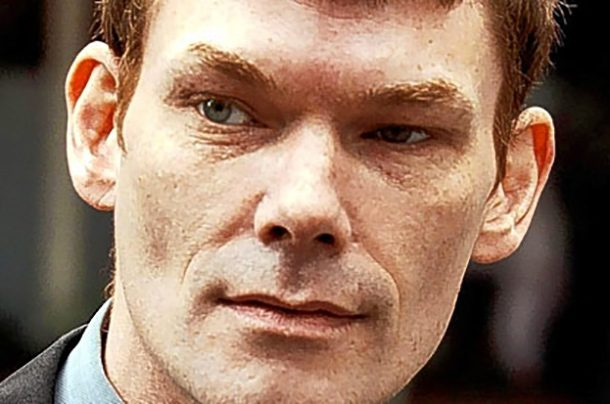
“Gary McKinnon”
While some hackers break into systems to get money, Gary McKinnon was on another quest – finding UFO information from the government. In the 1990’s, he got his first computer and later received certification in computers. Between 2001 to 2002, McKinnon hacked into several US government agencies, including several NASA computer systems. He claims to have found documentation proving the existence of UFO’s and extraterrestrials. The US sought extradition to be tried in their courts, but the UK denied the request and would not seek charges against him, making him a free man.
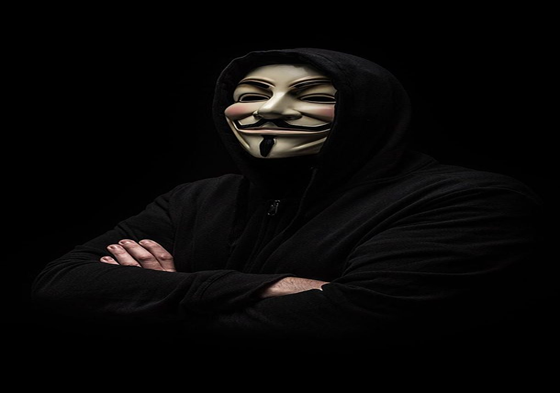
“ANONYMOUS”
Known for wearing Guy Fawkes masks, Anonymous is not one cohesive group, but a fluid movement with no leader or hierarchy. If anything, it’s a loose organization of hackers and protesters pushing for change through non-violent means, including hacktivism. Many of the hackers associated with Anonymous, however, have been arrested for several cyber crimes.
“ROBERT TAPPAN MORRIS”
While a student at Cornell, Robert Tappan Morris created a computer worm that infected 6,000 computers. He created it to see how big the internet was but realized what he was doing was wrong. Using public computers, he tried to cover his tracks but was eventually caught. He could have served jail time up to 5 years but didn’t serve any. Instead, he was sentenced to community service and a $10,000 fine.
“ANDRIAN LAMO”
Adrian Lamo received notoriety for breaking into media and technology systems, including The New York Times, Yahoo, and Microsoft. Later, he became known as the hacker that informed on Chelsea Manning to Army Counterintelligence for leaking confidential documents to Wikileaks.
“KEVIN POULSEN”
Once regarded as a child prodigy, Kevin Poulsen, also known as Dark Dante, was the first hacker ever to be involved in an espionage case. In 1989, Poulsen was arrested for 19 counts of conspiracy, wiretapping, fraud, and money laundering. Of his infamous activities, he hacked into all the telephone lines of the KIIS-FM radio station to be the 102nd caller, winning a Porsche 944 S2. When the FBI went after him, he went underground as a fugitive. When Unsolved Mysteries ran an episode featuring him, the 1-800 phone lines all crashed. However, they eventually did catch him. He served 51 months in prison and later became an editor of Wired magazine.
“KEVIN MITNICK”
At a young age, Kevin Mitnick became an infamous black hat hacker, a hacker exploiting systems for personal gain. He hacked into IBM, Nokia, Motorola, and many others. However, after being thrown into prison for his exploits, he came out turning his skills into a consultation business, helping others become more secure from hackers.
“LOYD BLANKENSHIP”
Loyd Blankenship, also known as The Mentor, was a hacker notorious for writing “The Hacker’s Manifesto.” It appeared in Phrack magazine and became infamous in hacker circles for decades. Blankenship moved on from hacking but continued developing software into his later years.
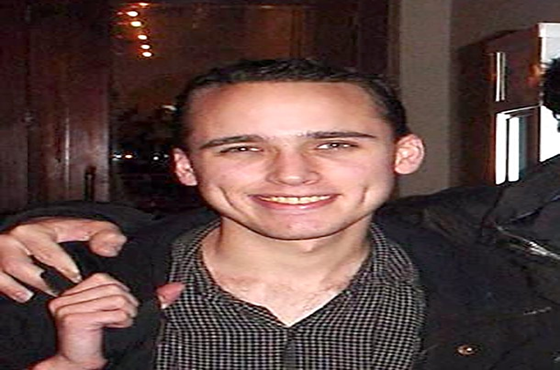
“JONATHAN JAMES”
Jonathan James, also codenamed C0mrade, was the youngest hacker ever to serve time in prison for hacking into several government agencies. He hacked NASA, the Defense Department, Marshall Space Flight Center, and International Space Station. As a kid, he studied endless books on C and Unix, giving him the ability to play around with networks for fun. In 2008, at the age of 24, James committed suicide. He claimed government agencies were trying to pin him on the TJX security breach; he claimed he didn’t have anything to do with it. Believing they’d make him a patsy, he decided to take his own life.
“STEPHEN WOZNIAK”
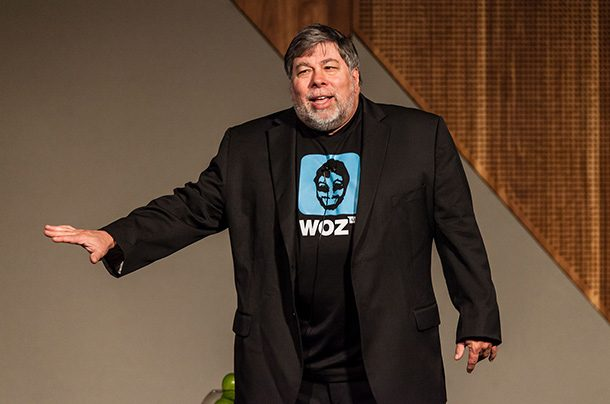
Before he and best buddy Steve Jobs founded Apple, they were up to all kinds of no good…including hacking mischief. Wozniak specifically called himself a white hat hacker, someone who likes to look into tech vulnerabilities and fix them. With an avid curiosity, he hacked into phone lines to make free phone calls, jammed televisions to trick his friends, and guessed his stepson’s password and played all kinds of pranks on him.




 John Rey || Blog